
Parts of an Aircraft and Their Functions

Parts of an airplane and their functions. Know the parts of an airplane and their functions.

How to Save Your Car from Theft

Introduction In large cities like Bengaluru, Mumbai, and many other urban areas, people buy a car without planning a dedicated safe parking space. Consequently, the biggest question after buying a car is where to park it! The availability of attractive vehicle loans has made owning a car simple and affordable for the salaried class. But … Read more
Vitamins and Nutrients in Dahi/Curd
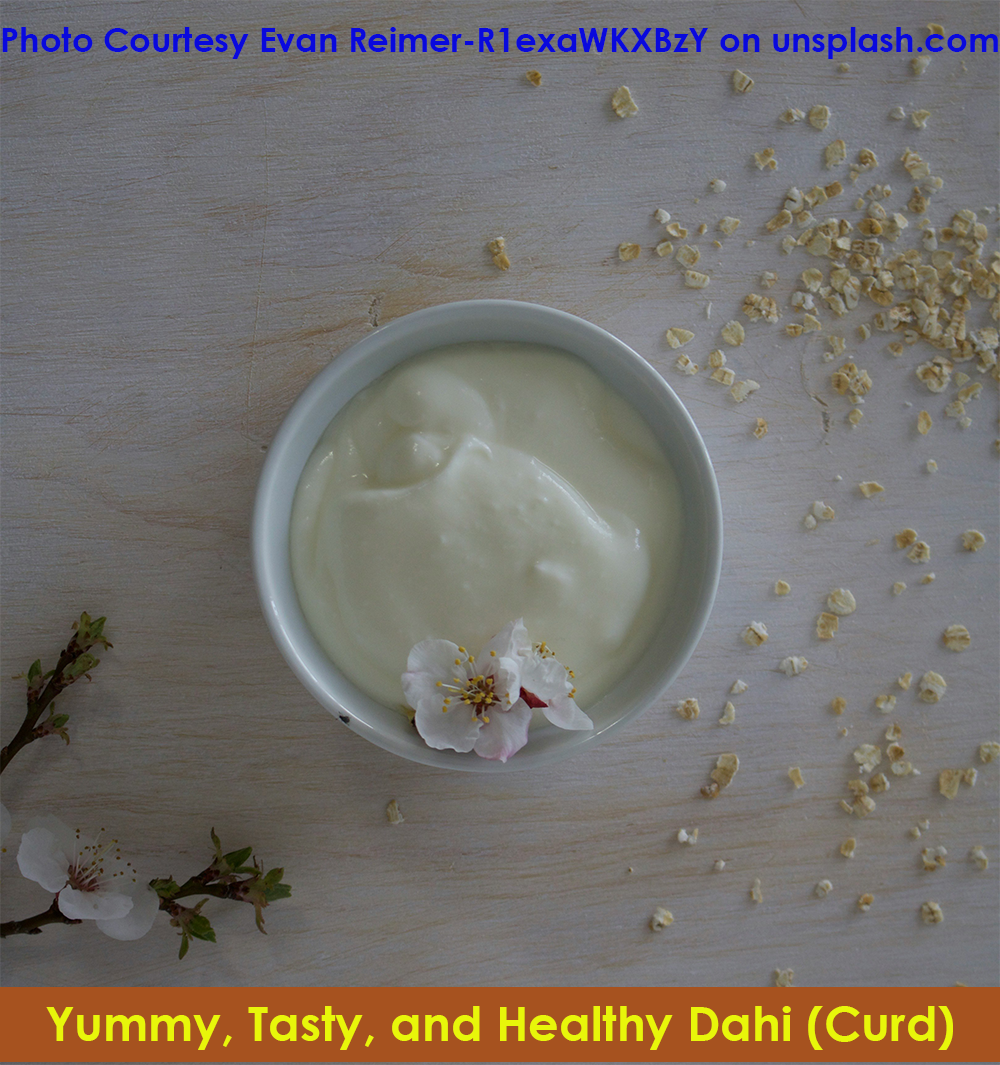
Introduction Curd or Dahi in Hindi, is a well-liked fermented milk product eaten by the majority Indians. Dahi is eaten with breakfast, as a side dish with spicy food, or as a summer beverage in the form of Lassi or Butter Milk. All milk dairies in India commercially produce and sell packed Dahi made from … Read more
Nutrients and vitamins in Yogurt

Yogurt is considered a key food. Its pleasant taste makes it popular in many parts of the world, including Western countries. It comprises superior-quality proteins, calcium, potassium, and vitamins. Some Yogurt types have live cultures (probiotics), which are considered good for our gut health. Yogurt is considered to have medicinal properties, and people who consume … Read more
Different Types of Yogurts
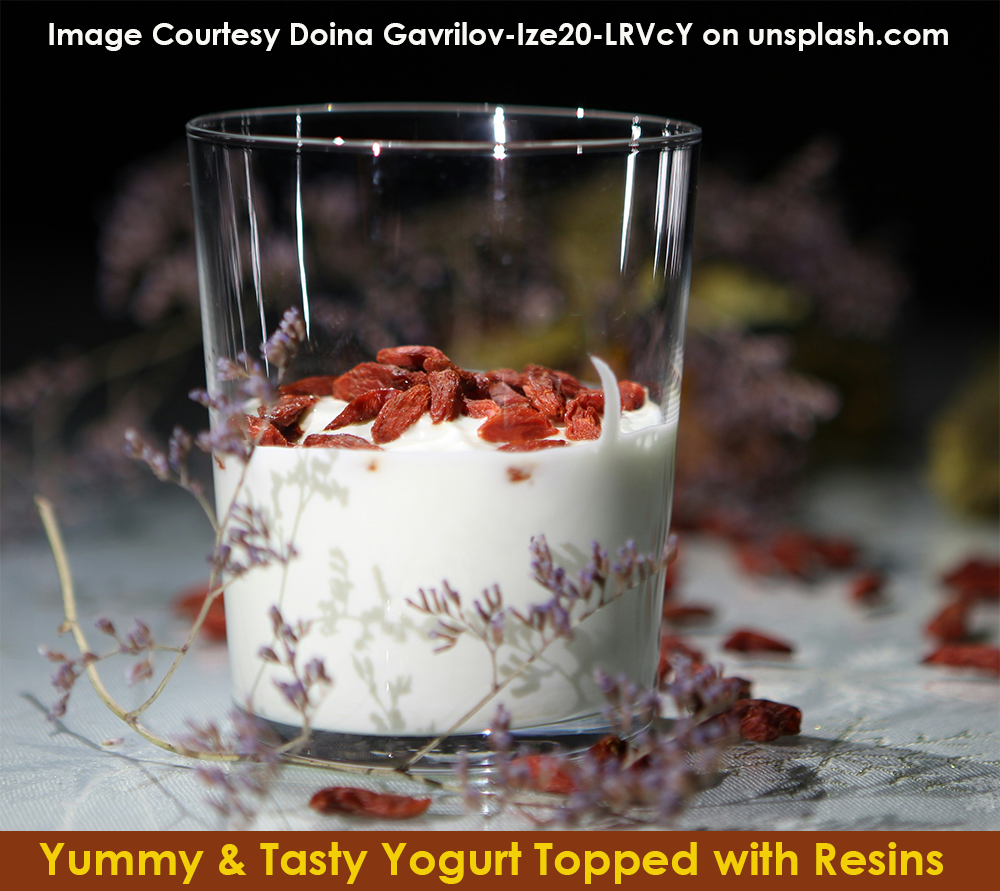
Introduction Yogurt is a fermented milk product. It is made by mixing specific bacteria cultures in warm pasteurized milk. The culture-mixed milk is incubated at that temperature for a few hours. Yogurt is normally made from cow or buffalo milk. Depending on the type of milk used for making the Yogurt, the Yogurt can be: … Read more
Popular Dahi Foods in India

Introduction Dahi, or curd is an Indian fermented milk product that has been popular in the Indian subcontinent for hundreds of years. It is eaten with meals or as a refreshing summer drink. In most Indian homes, Dahi is an inseparable part of the meal. The food items include Dahi Chaval/curd rice, paratha Dahi, pulao … Read more
Popular Fermented Milk Products in India
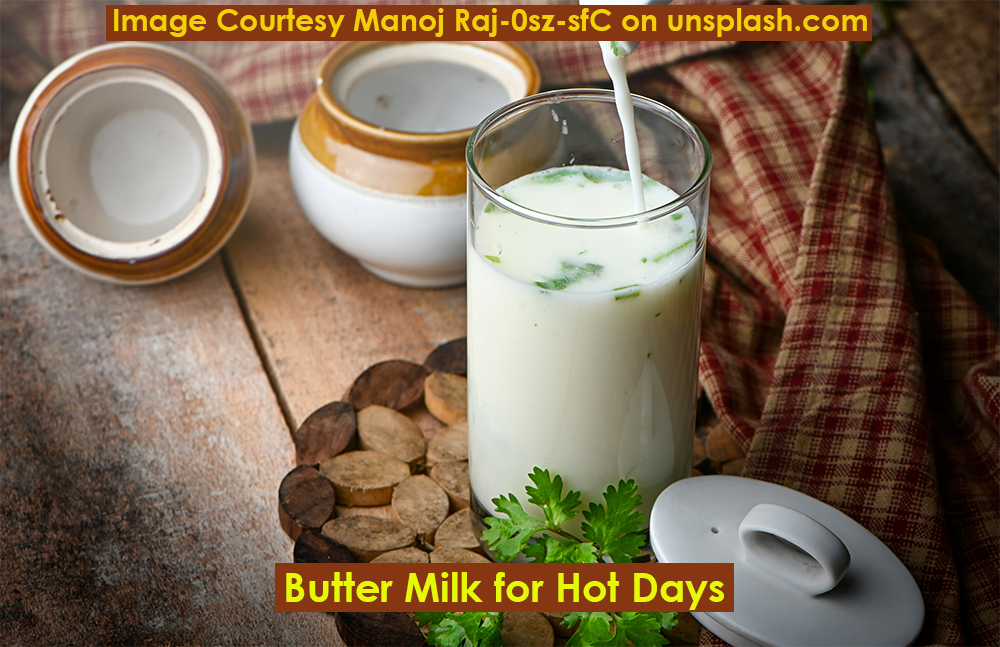
Introduction You can define fermented milk products as products made by adding certain microorganisms called starter cultures to pasteurized milk at designed temperatures. The bacteria in the starter culture convert the milk sugar lactose into lactic acid and enable coagulation or curd formation. There is an associated reduction in the PH value. Fermented milk products … Read more
Difference Between Dahi (Curd) and Yogurt
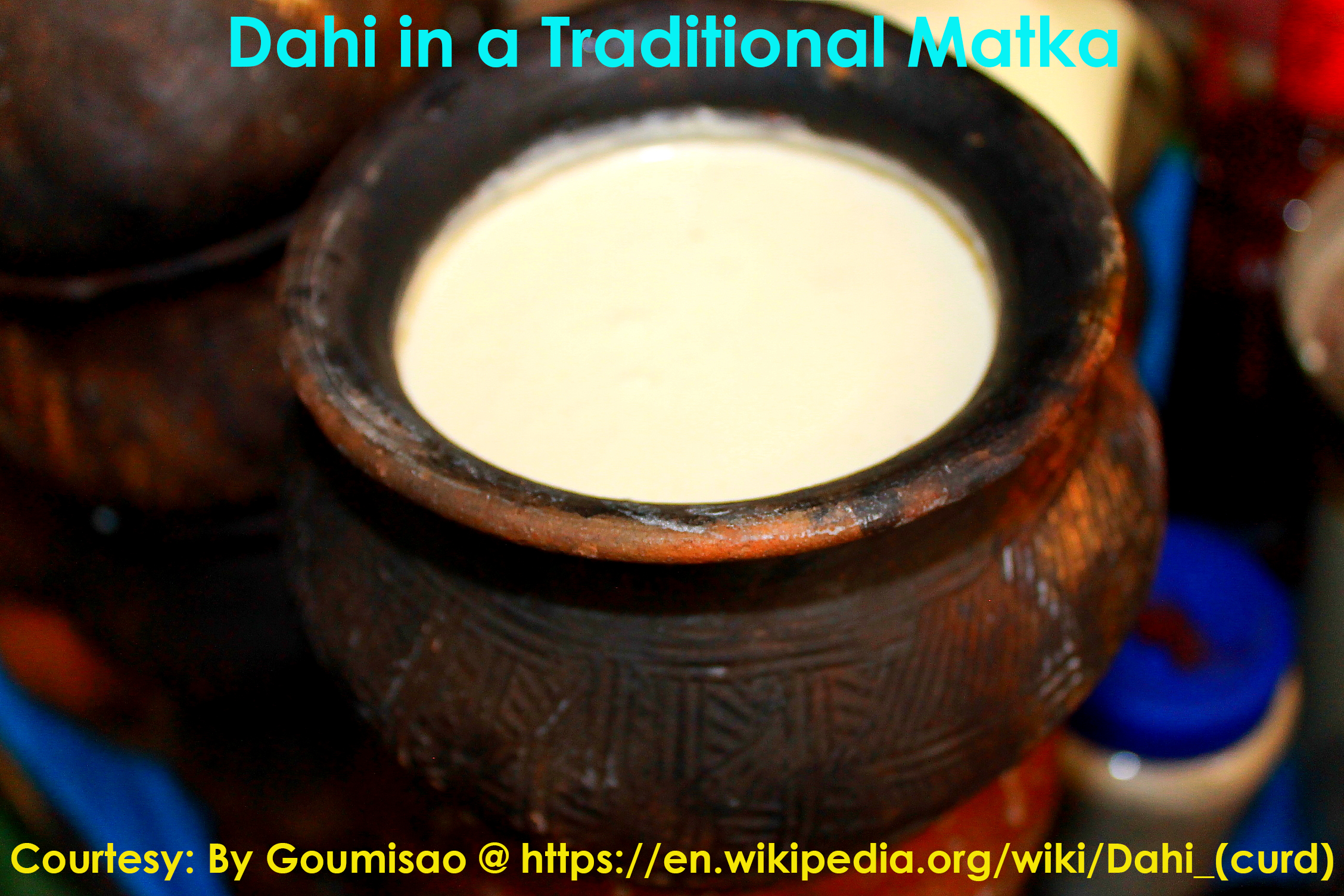
Introduction Some of us have heard of Yogurt but are unclear what it is. And, others think Yogurt is the Western name for our Indian curd (Dahi in Hindi). However, it is not correct. Yogurt and Dahi are indeed similar, but they are not the same. Both Dahi and Yogurt are fermented milk products. However, … Read more